Your rebase. Every sightline in the open.

ARGUS is a rebase and staking token on Robinhood Chain. Observe your ownership, follow the supply, and keep each source in view.
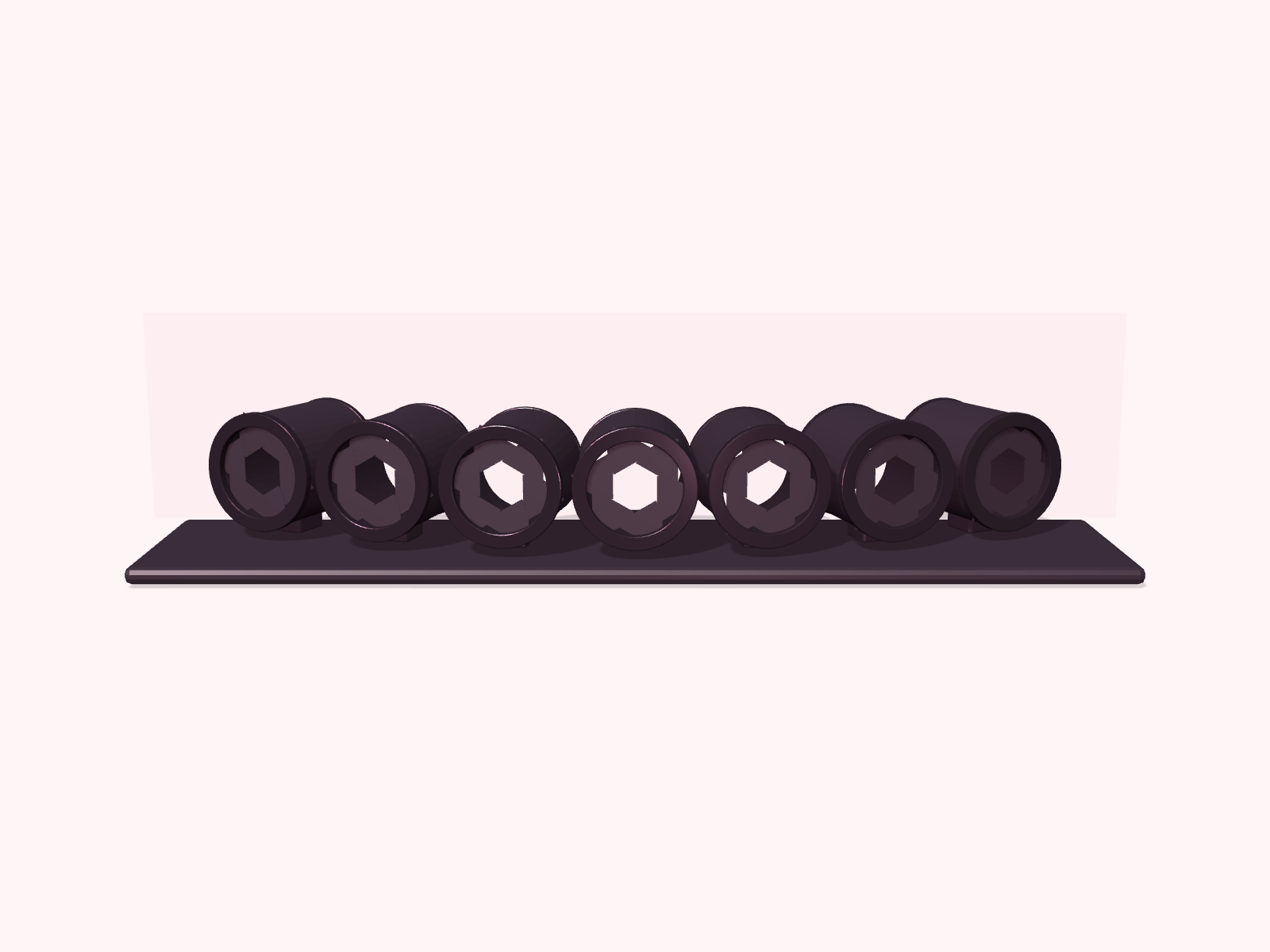
Procedural aperture array in plum with blush glass

Participation

Pre-stake pool

Pool unpublished.

Open the desk

Pre-stake pool

reading ARGUS

The published target, read as one hundred lenses. A lens lights when one percent of the target is committed to the vault. .

Committed
reading
Filled
reading
Remaining
reading
Wallets
reading

Pre-stake at the desk

Sightline ledger

Who pre-staked, on the record

Every transfer into the vault as a station on one line, newest first. Wallet, amount, block and transaction, each opening on the Robinhood Chain explorer.

Reading the chain.

    Comparison

    Units move. Your fraction holds.

    An ARGUS rebase scales your token balance and the total supply together. The unit count changes; your share of that supply holds. This alone does not promise a price or a return.

    Rebase demonstration: your slider, not a published figure.

    your slider

    Your units

    Balance after your slider
    enter your starting units
    Supply after your slider
    enter your starting units

    Your share

    Ownership fraction
    enter your starting units
    Ownership percent
    enter your starting units

    Use your own starting units. A positive supply is required. The live desk reads the actual contract after publication.

    Observe your ARGUS position

    Overview

    Observation and provenance

    More sources. Separate sightlines. Alignment is work. Gather without flattening.

    Open one source at a time

    Each sightline keeps its own origin. The record keeps its origin. A source remains a source.

    Every view leaves a trace

    Every observation needs a trail: a source label, a timestamp, and a pointer back to the original record.

    Argus is an observatory, not an oracle

    Watch the horizon from more than one place. The desk does not collapse sightlines into a single claim.

    Sources

    Agreement and disagreement

    Two labeled columns. Same field. When both hold a record, they may agree or they may not. Unlike units are never averaged. No synthetic score is drawn between them.

    1. 01

      Observation and provenance

      Every source stays a source.

    2. 02

      Open one source at a time

      The record keeps its origin.

    3. 03

      Every view leaves a trace

      Every observation needs a trail: a source label, a timestamp, and a pointer back to the original record.

    4. 04

      Agreement and disagreement

      Unlike units are never averaged.

    5. 05

      Freshness is a labeled state

      Stale is a distinct labeled state from zero.

    6. 06

      What this desk will not do

      It does not invent a score, a rank, or a blended price.

    7. 07

      Every rule in the open.

      No source flattened.

    When they agree

    Both present, same field

    Each column still names its source. Agreement is visible because both records remain on the desk, not because they were fused.

    When they disagree

    Both present, different records

    Disagreement stays in view. The trail is part of the market work. No source flattened.

    Observation History

    Freshness is a labeled state

    Stale is a distinct labeled state from zero. A zero is a reading. Stale is a reading whose time has passed. Missing is no reading at all.

    Zero

    A published zero

    The source sent a reading of none. That is still a record: identity, timestamp, units, and a link back to the original.

    Stale

    A record past its time

    The source once sent a reading. The desk still shows it, marked stale, until a newer observation replaces it. Stale is not missing, and it is not zero.

    Limits

    What this desk will not do

    • It does not average unlike units.
    • It does not invent a score, a rank, or a blended price.
    • It does not treat missing as zero, or stale as missing.
    • Share, epoch length, and contract address stay unpublished until they exist.
    • Argus is an observatory, not an oracle.

    FAQ

    Questions at the desk

    Where do creator fees go?
    The creator-fee source and vault address are unpublished. No fee balance is shown in this preview.
    What rule does the vault run?
    The vault rule, share, and epoch length are unpublished. This preview does not establish a buyback schedule.
    What is a receipt?
    A receipt would link an execution to its original transaction record. Receipt sources and publication channels are unpublished.
    Why are orders not listed before they run?
    Order timing and execution details are unpublished.
    How does staking work?
    Connect your wallet now. Pre-stake and staking become available in their published phases at the Observatory; withdrawal fees and terms stay unpublished until set. The board shows net transfers, not a rebase-adjusted entitlement.
    What is published and what is a preview?
    Your native balance can be observed now. ARGUS position readings follow contract publication. The rebase slider uses your inputs; published source rows use chain reads. Unpublished sources keep their apertures closed.

    Participation

    Pre-stake at the desk

    Not open yet. Terms unpublished.

    Net pre-staked
    unpublished
    Published target
    unpublished
    Remaining
    unpublished
    Staking and withdrawals

    No transfer is available before launch.

    No source flattened.

    Every rule in the open.

    The Market Observatory holds the four stations: Overview, Sources, Comparison, Observation History.

    Open the observatory